
We don’t pretend to want to save the whole world
Listen to the episode
We don’t pretend to want to save the whole world
This video is part of the show:
Brain&Breakfast
 86 min
#2 · July 26, 2018
Education is incredibly important. But where does it come from?
 79 min
#3 · August 24, 2018
The story of an eccentric: European cultural center in a marginalized area
 85 min
#4 · September 27, 2018
Morning dose of chemtrails and fake news
 87 min
#5 · October 25, 2018
The singer-songwriter’s journey
 83 min
#6 · November 6, 2018
Diversity in real life

#7 · November 22, 2018 · Now playing
We don't pretend to want to save the whole world
 90 min
#8 · December 13, 2018
Stories as a bridge to understanding and emotions as a path to insight
 83 min
#9 · January 31, 2019
Family business with experiences
 82 min
#10 · February 21, 2019
The technological revolution and its impact on society
 83 min
#11 · March 14, 2019
How to bring visions down to earth
 86 min
#12 · April 12, 2019
Joy grows here
Selected for you

Pět pilířů AI adopce · October 13, 2026
Dress rehearsal – five pillars
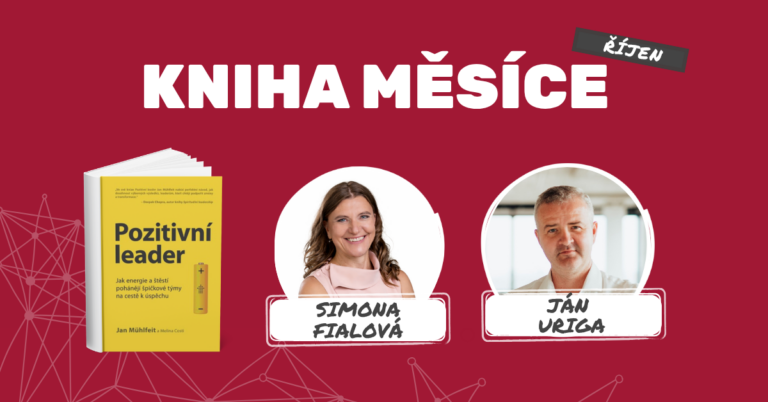
Book Of The Month · October 13, 2026
October 2026 – positive leader
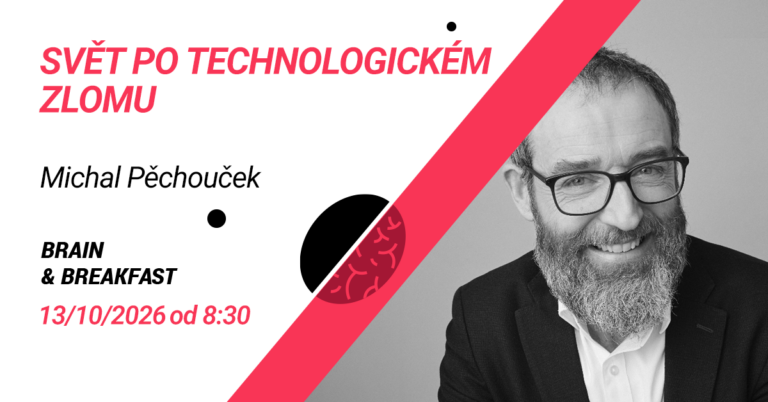
Brain&Breakfast · October 13, 2026
The world after the technological breakthrough

Find Balance Between Performance And Life · October 7, 2026
Boundaries

Brain&Breakfast Slovensko · September 25, 2026
A word that will survive the algorithm
The world today is facing the largest humanitarian crisis since 1945. More than 125 million men, women, and children need help. Despite record donations in recent years, these contributions are not enough to cover the growing humanitarian needs caused by current crises. Aid for millions of victims of violent conflicts and natural disasters must be addressed long-term.
We want to help a specific person
Decisions about our actions are not made by hundreds of people in leadership. The world has changed, and the humanitarian sector struggles to keep up. It is inward-looking, often inefficient, and direct help is secondary. MAGNA, even after 18 years, responds flexibly, has no bloated administration, and its experts help directly in the field. We continue to focus on the individual, and instead of a new building or excessive benefits, we direct funds where they are needed most.
Who is Denisa Augustínová?
She was born in Bratislava, where she studied social therapeutic work and psychology. In 2001, together with Martin Bandžák, she founded the humanitarian organization MAGNA. She established and personally participated in most MAGNA missions worldwide, including those in Haiti, Sudan, the Philippines, Nepal, Lebanon, Iraq, and others. She spends 10 months a year in the field. As the operations director, she coordinates humanitarian and long-term projects across three continents simultaneously with more than 1,200 mostly medical personnel in the field. In 2007, she spoke as an “Architect of the Future” at the Waldzell conference, where she presented her vision for treating acute malnutrition worldwide. In 2016, she was nominated for the Slovak Woman of the Year award in the Philanthropy category. She regularly speaks at professional forums and conferences. According to her, nothing in life is as bad and dangerous as fear, even though there is nothing to be afraid of. You just have to try to understand…
Selected for you
Pět pilířů AI adopce · October 13, 2026
Dress rehearsal – five pillars
Book Of The Month · October 13, 2026
October 2026 – positive leader
Brain&Breakfast · October 13, 2026
The world after the technological breakthrough
Find Balance Between Performance And Life · October 7, 2026
Boundaries
Brain&Breakfast Slovensko · September 25, 2026
A word that will survive the algorithm