
Biohacking as a field of managerial education
Unlock your access to EDUtéka
Already have an account? Log in
Selected for you

Pět pilířů AI adopce · October 13, 2026
Dress rehearsal – five pillars

Book Of The Month · October 13, 2026
October 2026 – positive leader
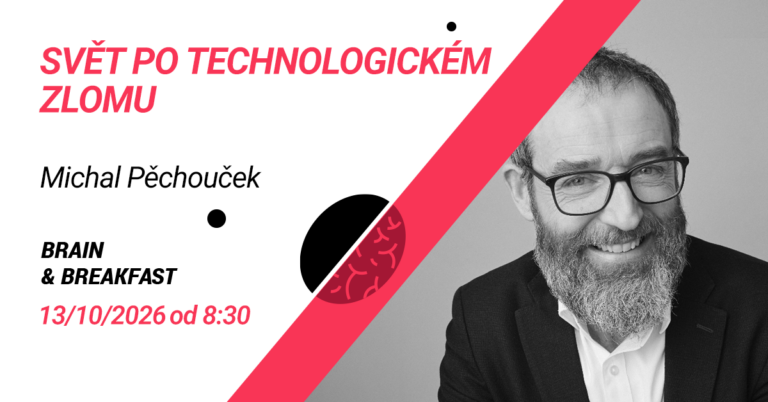
Brain&Breakfast · October 13, 2026
The world after the technological breakthrough

Find Balance Between Performance And Life · October 7, 2026
Boundaries
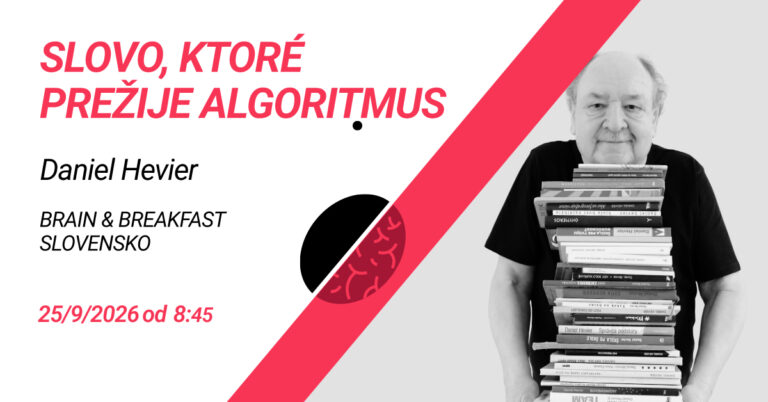
Brain&Breakfast Slovensko · September 25, 2026
A word that will survive the algorithm
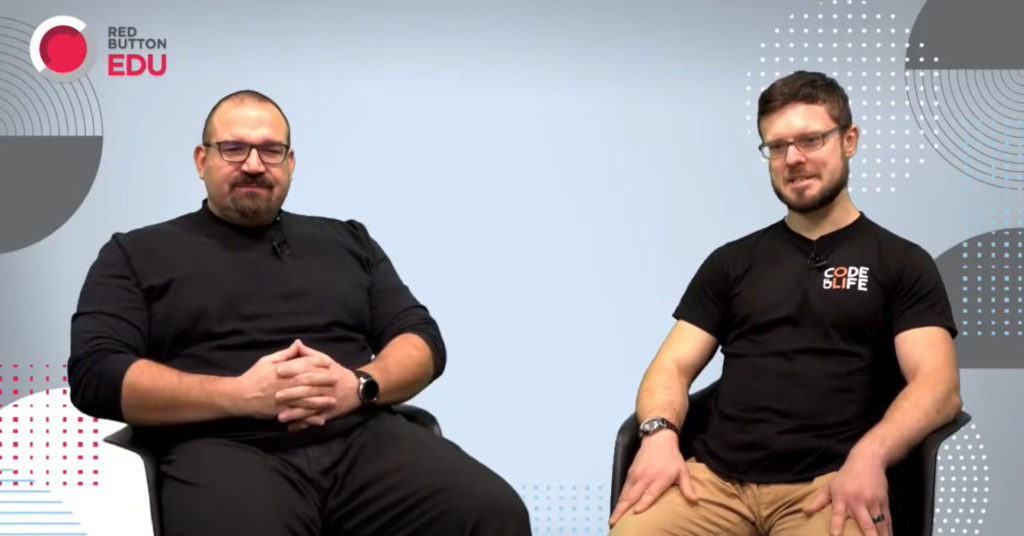
The first episode focused on taking responsibility for one’s own condition and health, in light of current health statistics. The second was dedicated to current questions around Covid-19 testing and immunity in general, with practicing physician MUDr. Borský.
The guest of the third episode is someone who combines managerial education, medicine, psychology, physical and mental training, and experience leading multiple companies. With Dr. Pacher, we will explore a comprehensive view of growth for people in leadership positions. How is biohacking gradually becoming part of education at management schools today? That’s what we’ll discuss in this episode.
Why watch the episode?
Self-care has many layers. Often, in the rush of work life, we feel like we “don’t have time for ourselves.” However, this is often a false barrier that we can overcome by recognizing its importance not only for ourselves but also for those around us. Whether we lead a team, support colleagues, or have a family, investing time wisely in self-care and maintaining our mental and physical state is crucial. We hope this conversation will inspire your daily planning of both work and personal life, and also help you discover additional concrete strategies that we regularly share with you in the episodes.
What will you take away?
- A broader perspective on managerial education, practice, and self-care.
- Practical methods for immediate use.
- Why and which methods we need to start putting into practice.
Who is Petr Pacher?
Mgr. et Mgr. Petr Pacher, MBA, Ph.D. is the statutory representative of the University of Applied Management in Brno and the founder of many companies, including the Institute of Applied Psychology.
He studied general medicine, which later led him to study psychology, law, and management.
Instead of clinical approaches, he now focuses more on performance psychology. He has developed a range of psychodiagnostic methods that have been used by several hundred thousand people.
Selected for you
Pět pilířů AI adopce · October 13, 2026
Dress rehearsal – five pillars
Book Of The Month · October 13, 2026
October 2026 – positive leader
Brain&Breakfast · October 13, 2026
The world after the technological breakthrough
Find Balance Between Performance And Life · October 7, 2026
Boundaries
Brain&Breakfast Slovensko · September 25, 2026
A word that will survive the algorithm