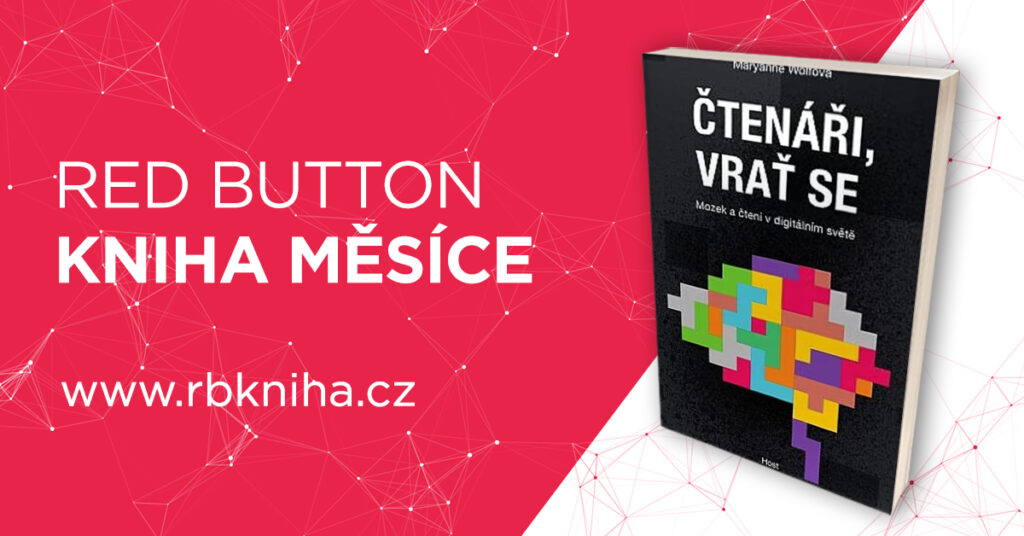
April 2026 – Readers, come back: the brain and reading in the digital world
Unlock your access to EDUtéka
Already have an account? Log in
Selected for you
Pět pilířů AI adopce · October 13, 2026
Dress rehearsal – five pillars
Book Of The Month · October 13, 2026
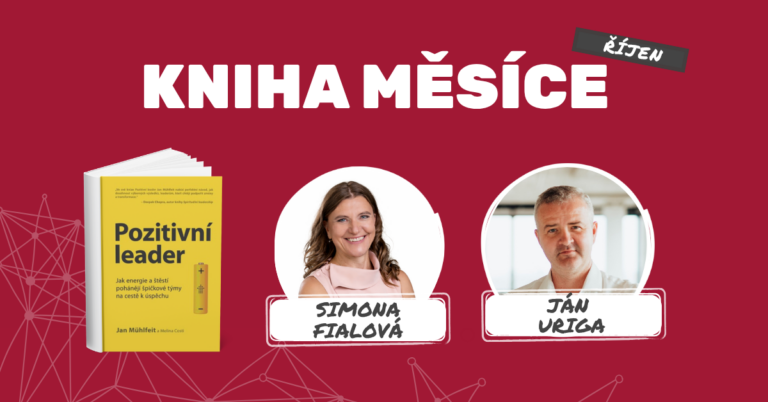
October 2026 – positive leader
Brain&Breakfast · October 13, 2026
The world after the technological breakthrough
Pět pilířů AI adopce · October 8, 2026
Strategy

Find Balance Between Performance And Life · October 7, 2026
Boundaries
Martin Ruman, a member of the Red Button network, says about the book
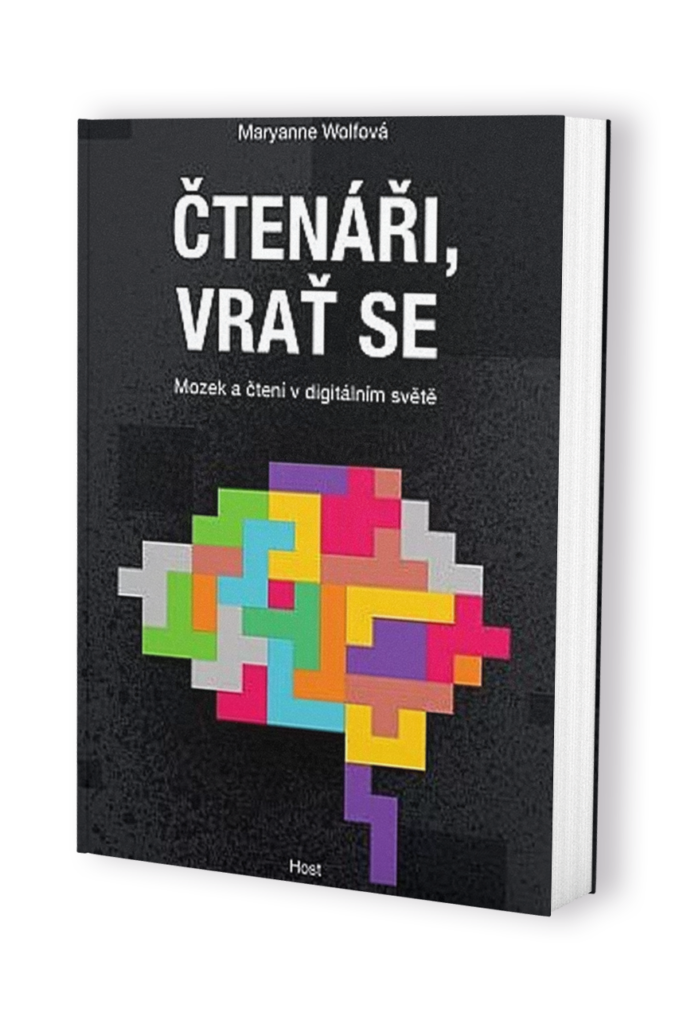
At a time when notifications, social media, and endless scrolling fragment our attention into crumbs, neuroscientist Maryanne Wolf arrives with the book "Reader, come back," which raises a troubling question: what is the digital world doing to our brains and our ability to truly read deeply? Wolf, a Harvard graduate and a global expert in neuroscience and the reading process, didn’t write a scientific monograph – she wrote nine personal letters to the reader that invite reflection and disagreement.
The author describes the brain’s ability to operate in two distinct modes. The first is fast skimming reading, supplying us with instant information that the digital world reinforces every day. The second is a deep, slow, focused reading mode – and this one is now at risk. Wolf does not condemn screens and digital media but issues a call: let’s consciously develop both modes and learn to switch between them deliberately.
The book shows that deep reading is not just a cultural pastime but literally brain training: it strengthens empathy, critical thinking, emotional self-regulation, and the ability for constructive dialogue – qualities that are critically lacking in our fast-paced personal and professional lives. For parents, Wolf offers a specific challenge: read with your children – it’s not just about literacy but about shared time of deep focus that shapes brains for life.
"Reader, come back" is not a dogmatic defense of the paper book. It is an invitation to conscious choice: to realize which reading and thinking mode you are currently in and actively protect the other. As the author reminds us – reading is an act of contemplation, an act of resistance in the landscape of distraction. Reading as an act of attention. Reading as quiet resistance.
Who is Martin Ruman?
Martin Ruman is a Principal consultant at Red Button EDU, founder of Odyssey.cz, psychologist, and expert in people development in business.

Selected for you
Pět pilířů AI adopce · October 13, 2026
Dress rehearsal – five pillars
Book Of The Month · October 13, 2026
October 2026 – positive leader
Brain&Breakfast · October 13, 2026
The world after the technological breakthrough
Pět pilířů AI adopce · October 8, 2026
Strategy
Find Balance Between Performance And Life · October 7, 2026
Boundaries